KAA Presents JKIA Integrated Master Plan to KAWU, a key stakeholder
The Kenya Airports Authority (KAA) has formally presented the Jomo Kenyatta International Airport (JKIA) Integrated Master Plan to the Kenya Aviation Workers Union (KAWU) as a vital stakeholder in the airport's modernization efforts. This presentation underscores KAA's commitment to inclusive consultations amid ongoing Strategic Environmental and Social Assessments (SESA) for sustainable development.
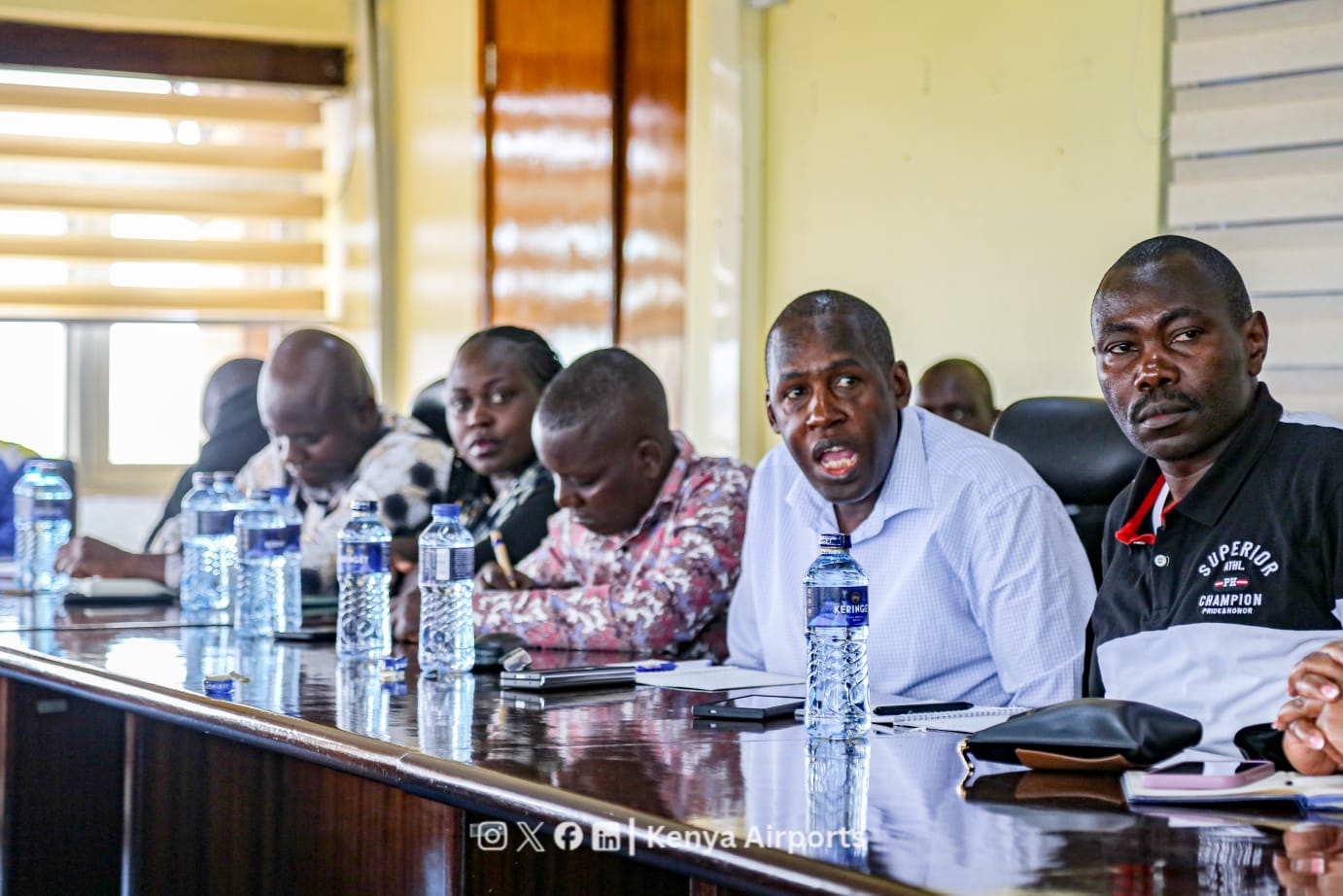
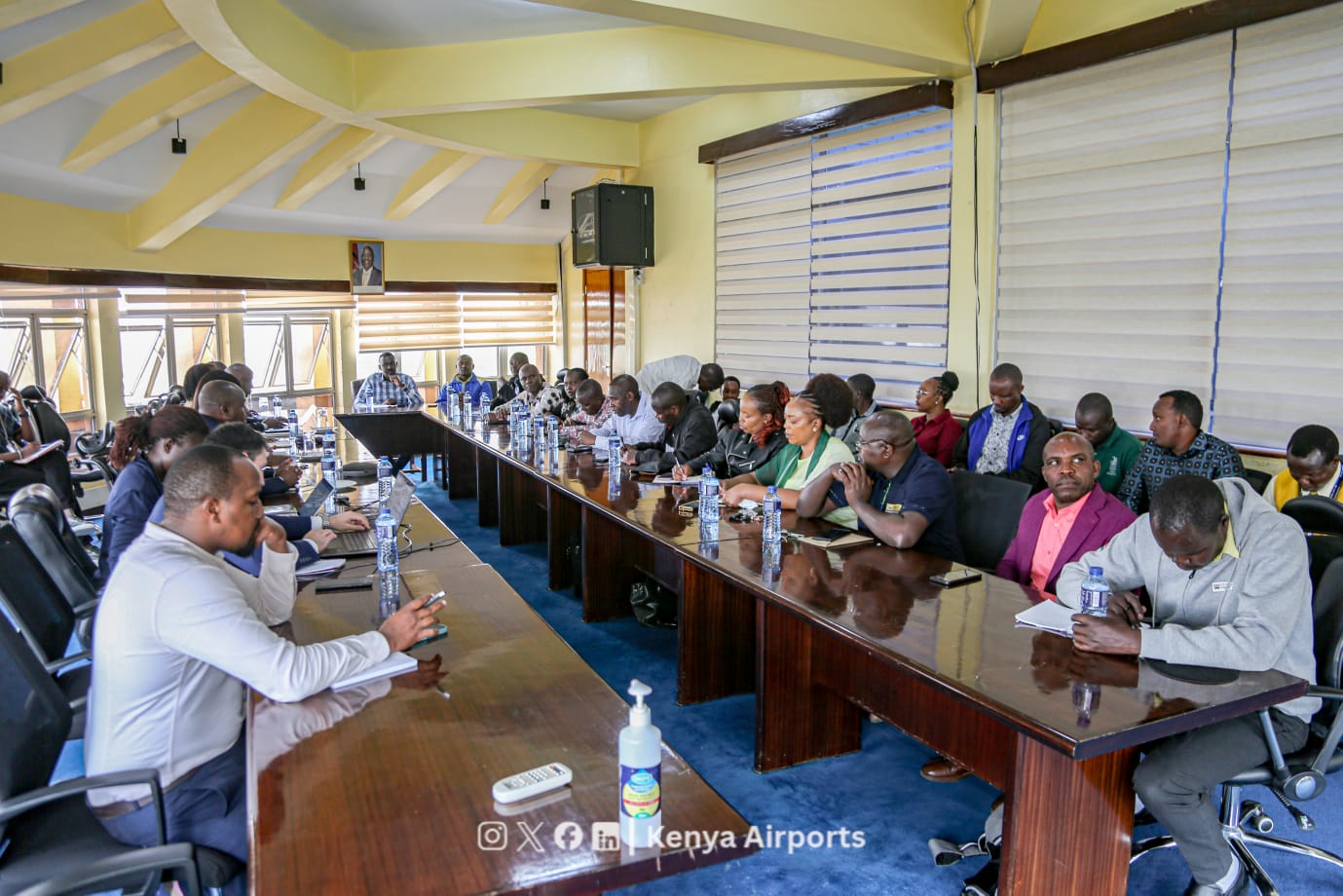
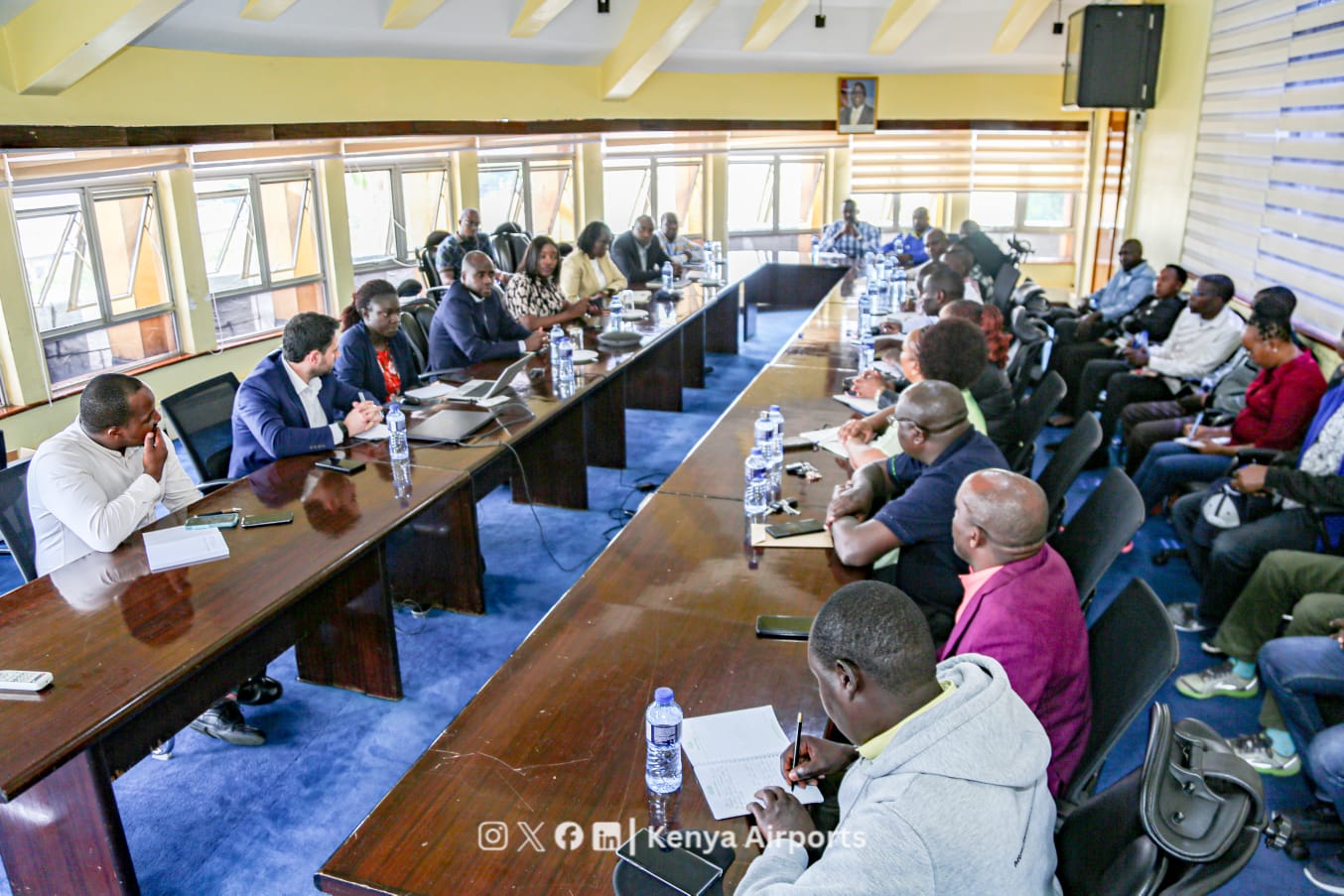
The Principal Secretary for Aviation and Aerospace, Terry Mbaika, today chaired a presentation of the Jomo Kenyatta International Airport (JKIA) Master Plan to the secretariat of the Kenya Aviation Workers Union (KAWU).
The Master Plan outlines JKIA’s traffic forecasts, demand and capacity analysis, development options, the preferred expansion strategy, phased infrastructure development, and capital expenditure (CAPEX) and financial feasibility projections.
The Principal Secretary announced that the Government plans to construct a new terminal complex at JKIA with a capacity of 10 million passengers in Phase I and an additional 5 million passengers in Phase II, bringing total ultimate capacity to 15 million passengers annually.
She emphasized that the new infrastructure will directly benefit staff of the Kenya Airports Authority (KAA) and serve the national interest by creating employment opportunities and enhancing operational efficiency across airport services.
Ms. Mbaika noted that JKIA handled 8.6 million passengers in 2024 and 8.8 million in 2025, exceeding its current annual capacity of 8 million passengers. With passenger numbers increasing by approximately one million annually, existing facilities are projected to be insufficient within the next three years.
The JKIA Master Plan proposes a comprehensive modernization program, including construction of a new runway by 2029 and increased airfield capacity to handle approximately 63 aircraft movements per hour, up from the current 14 movements per hour.
On terminal development & optimization, the Master plan proposes construction of a new passenger terminal building in two phases: Phase I: 10 million passengers and Phase II: 5 million passengers.
On landside and infrastructure upgrade, the Master Plan proposes expansion and modernization of landside facilities and improved access, circulation.
PS Mbaika stated that the expansion project will be implemented in phases to ensure uninterrupted airport operations. “While new infrastructure is developed, the existing terminal facilities will be rehabilitated and optimized” she added.
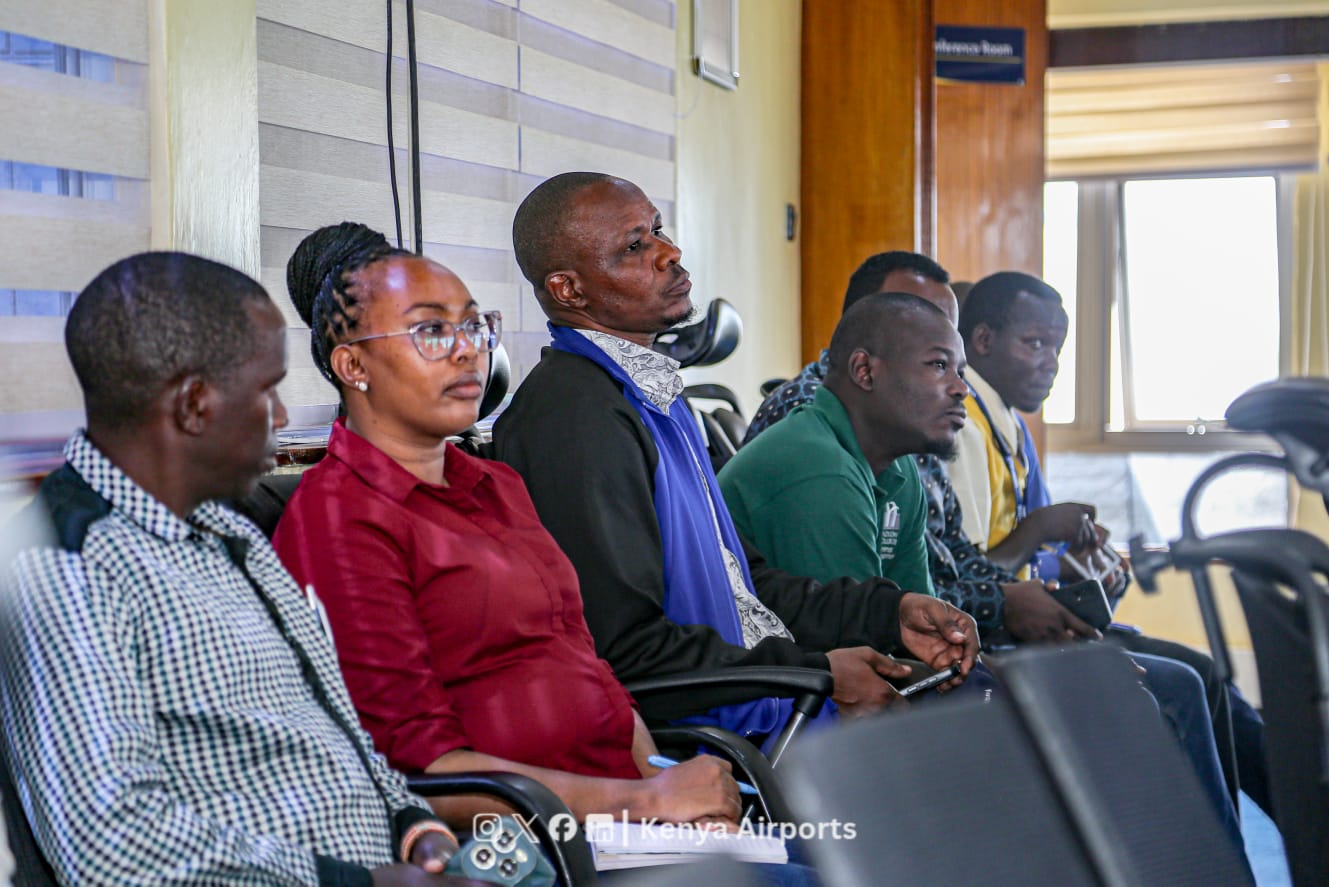
During the engagement, the PS emphasized the importance of stakeholder participation, noting that consultations with KAWU and other stakeholders are critical to ensuring inclusive planning and successful implementation.
Speaking during the meeting, the Ag. Managing Director of KAA underscored the operational significance of the new facilities, noting that the expansion will strengthen JKIA’s competitiveness among regional hub airports. He stated that enhanced capacity, modernized infrastructure, and improved operational efficiency will position JKIA to attract more airlines, increase passenger and cargo traffic, and improve service delivery.
He further noted that aviation remains a key driver of the national economy, and the development of new facilities will stimulate airport-based business opportunities, strengthen commercial activities, and create additional employment across the aviation value chain.